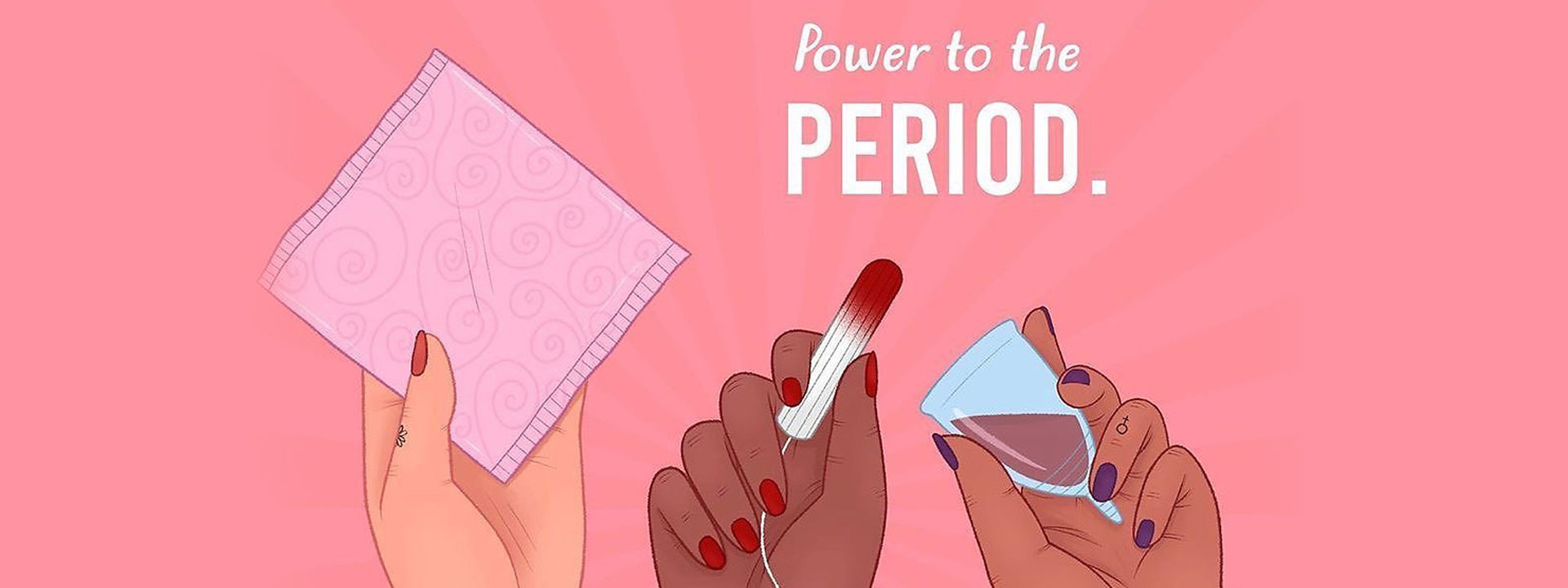

Menstrual poverty encompasses various challenges related to menstruation, including the inability to afford sanitary products, limited access to clean and private facilities, and a lack of menstrual health education. It is often compounded by stigma and cultural taboos, which can further isolate individuals experiencing this issue. With research, we as BAWSS Foundation we have found that lack of adequate facilities and materials can restrict girls’ movements during their period, leaving them feeling ashamed or ‘unclean’ and contributing to them skipping school.
Impact:
The consequences of menstrual poverty are far-reaching. Menstruation-related challenges can prevent students from attending school, contributing to educational disparities. For example, girls may miss school during their periods due to inadequate menstrual products or lack of sanitation facilities, leading to increased dropout rates.
Briefly, menstrual poverty is more than just a lack of access to menstrual products; it is a complex issue with profound implications for health, education, and dignity. Addressing it requires a concerted effort from governments, organizations, and communities. By improving access to products, facilities, and education, and by challenging the stigma surrounding menstruation, we can work towards a world where menstruation is no longer a barrier to anyone’s potential.
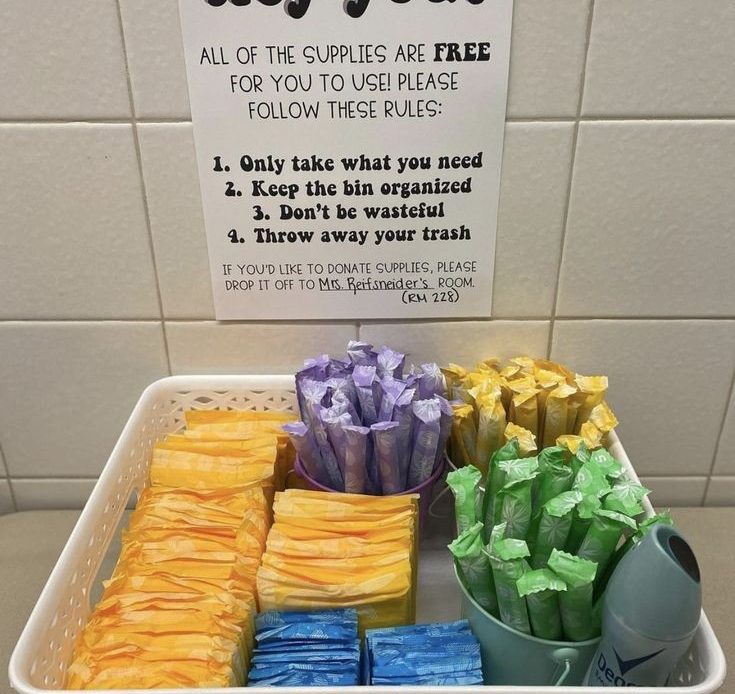
“If men BLED ONCE A month, sanitary products would be free. Condoms are free and sanitary products are not, it is a failure of justice”
– Sive Ngezi